The Impact Of Hormonal Agent Treatment On Urinary Incontinence
The Influence Of Hormonal Agent Therapy On Urinary System Incontinence
While this shift brings about several hormone modifications and signs and symptoms, one lesser-discussed concern that influences many women throughout menopause is urinary system incontinence. Rayyan was utilized to confirm the search results page, making sure methodological precision and integrity [8] The initial search yielded titles and abstracts, which were then assessed for importance based on the predefined addition and exemption standards. The research team performed a detailed examination of all researches that fulfilled the incorporation criteria.
You can talk to your healthcare provider concerning which surgical treatments are offered for women experiencing UI throughout perimenopause. Urinary incontinence is usually caused by problems with the muscular tissues and nerves that assist the bladder hold or pass pee. Specific health and wellness events distinct to women, such as pregnancy, childbirth, and menopause, can trigger issues with these muscles and nerves. Numerous females with urinary incontinence have both anxiety and prompt urinary incontinence.

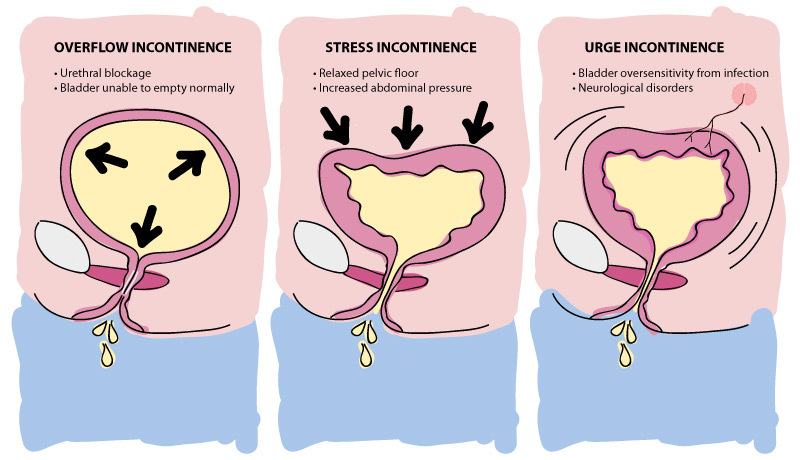
Initially, low testosterone can contribute to a loss of muscular tissue mass, including the weakening of the pelvic floor muscles, which boosts the risk of urinary incontinence. Later on in life, the extreme decrease in estrogen throughout menopause creates the cells of the urethra and bladder cellular lining to become thinner, drier, and less flexible. Because the pelvic flooring is no longer as solid, the everyday experience of bladder pressure feels much more extreme. This typically causes stress incontinence (dripping when coughing or giggling) or an over active bladder that demands immediate, immediate washroom trips.
While a few of these solutions may offer basic assistance, none are shown to deal with incontinence on their own. A lot of searchings for are early-stage, and supplements aren't managed like drugs. For safety and performance, it's best to speak to your healthcare provider prior to attempting any kind of brand-new supplement. Physical modifications like creating much less estrogen, the thinning of vaginal tissues, pelvic body organ prolapse, and trouble clearing the bladder can all contribute to frequent UTIs.- Caffeine and alcohol must be prevented, and sugar, hot foods, or acidic foods are recognized to create bladder irritability as well.
- This added stress and anxiety or pressure on the bladder and urethra can create urinary system incontinence or leakage.
- The typical age for a woman to experience menopausal symptoms is 47.5 years old, with menopause normally taking place around age 51.
- As estrogen degrees continue to go down throughout menopause, UI signs and symptoms can become worse.
- When urine is left over in the bladder, advantageous germs have even more time to increase and trigger a UTI.
Is Bladder Leak A Sign Of Perimenopause?
Several women experience bladder leak during perimenopause and menopause, yet it doesn't indicate you have to deal with it. Learn why it takes place and what can be done to treat signs and symptoms of urinary system incontinence throughout the Menopause And Incontinence. This kind of incontinence happens when physical activities such as giggling, sneezing, coughing, or working out put pressure on your bladder, causing leakage. It is typically linked to the weakening of pelvic flooring muscular tissues, which can happen as a result of hormone modifications during menopause. As a registered nurse who's worked in geriatrics for over 14 years, I recognize first hand that alters in bladder control can be a common part of aging.
The occurrence of UI among post-menopausal ladies ranged from 13.6% to 84.4%, with a complete frequency of 5394 (63.1%). Throughout research Functional incontinence studies, the mean age of menopause varies, with some researches reporting averages around 48 to 50 years. Numerous researches report that UI occurrence enhances with age, particularly in the postmenopausal period. UI signs, such as shedding micturition and combined UI, are kept in mind, typically pertaining to the genitourinary syndrome of menopause (GSM) and nocturia. These signs and symptoms are connected to decreased lifestyle and substantial morbidity.Your Way Of Living
It sends out signals to a display, which informs you when your muscle mass are contracting. By finding out when your muscular tissues contract, you might have the ability to gain far better control over them. Your physician might also suggest more Retropubic suspension involved treatment options, particularly if they don't believe that way of living adjustments are helping.These medications are usually utilized when way of living changes and bladder training alone are not enough to manage signs and symptoms. Urinary incontinence can be affected by hormonal agents, muscular tissue tone, diet regimen, and overall health. While hormone therapy may aid some people, particularly postmenopausal females, others might profit much more from supplements, targeted exercises, or a mix of treatments. Collaborating with a pelvic floor specialist can aid you discover exactly how to effectively engage the muscle mass that sustain your bladder. Likewise, kegel exercises-- pressing and loosening up the pelvic muscles-- can be done in the house and are just one of the most effective methods to lower leakages gradually. Large research studies show that urinary system incontinence ends up being extra common with age, rising from regarding 28% of females in their 30s to over 55% in their 80s and 90s.
The study creates consisted of five cross-sectional analyses [11,15-17,19], 4 retrospective accomplice research studies [10,13,18,20], one quasi-experimental investigation [12], and one prospective associate research study [14] Geographically, two researches were performed in Australia [10,18], two in the United States [13,16], and one each in India [11], Egypt [12], Thailand [14], Spain [15], Japan [17], China [19], and Belgium [20] You may require to continue doing Kegel workouts for the rest of your life. Also if your signs and symptoms enhance, urinary incontinence can return if you stop doing the exercises. Any kind of weak point or damages to the urethra in a lady is more likely to create urinary system incontinence. This is since there is less muscular tissue maintaining the pee in until you prepare to urinate.